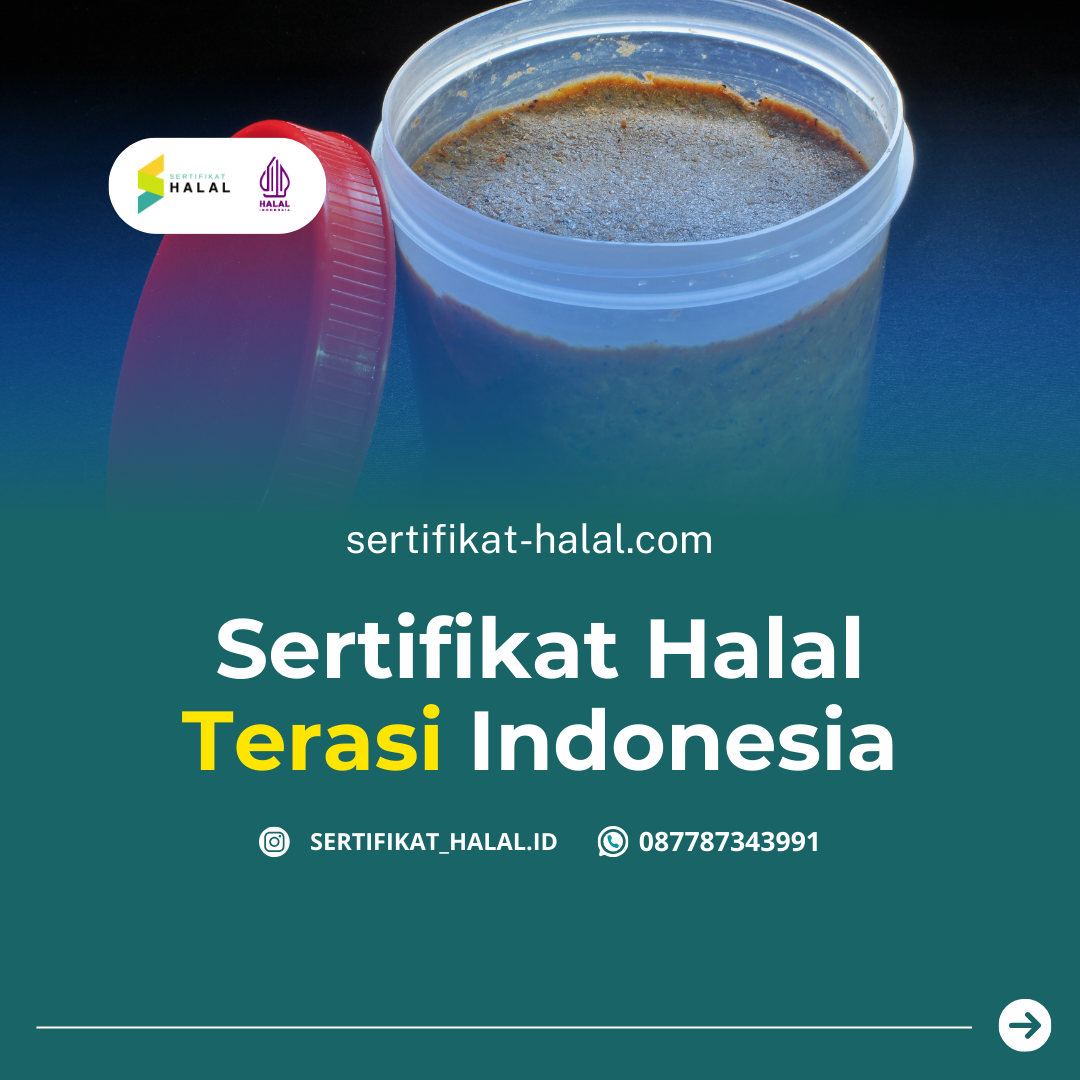

Proses Produksi Terasi yang Halal
Proses produksi terasi dimulai dengan pemilihan bahan baku, yaitu udang atau ikan yang telah dibersihkan. Setelah bahan baku dipilih, udang atau ikan tersebut dicampur dengan garam dan kemudian difermentasi. Proses fermentasi ini bertujuan untuk mengubah bahan baku menjadi bentuk yang lebih awet dan mudah digunakan dalam masakan. Waktu fermentasi bisa bervariasi, tergantung pada jenis udang atau ikan yang digunakan dan metode produksi yang dipilih oleh produsen.
Namun, untuk memastikan bahwa terasi yang dihasilkan adalah halal, setiap langkah dalam proses produksi harus diawasi dengan ketat. Beberapa produsen mungkin menambahkan bahan pengawet, pewarna sintetis, atau bahan lain yang tidak sesuai dengan prinsip halal dalam pembuatan terasi. Misalnya, penggunaan formalin sebagai bahan pengawet dapat merusak status kehalalan produk tersebut karena formalin dianggap haram dalam Islam.
Selain itu, kebersihan selama proses pembuatan juga sangat penting. Jika fasilitas produksi tidak memenuhi standar kebersihan yang ditetapkan, produk terasi tersebut bisa terkontaminasi dengan bahan yang tidak halal atau bahkan dapat membahayakan kesehatan. Oleh karena itu, sangat penting bagi konsumen untuk memilih produk terasi yang diproduksi di fasilitas yang memiliki sertifikasi halal dan mematuhi standar produksi yang baik.
The production process of terasi starts with selecting raw materials, which are typically shrimp or fish that have been cleaned. After the raw materials are chosen, the shrimp or fish are mixed with salt and then fermented. This fermentation process aims to transform the raw materials into a more durable and usable form for cooking. The fermentation period can vary depending on the type of shrimp or fish used and the production method selected by the manufacturer.
However, to ensure that the terasi produced is halal, every step in the production process must be closely monitored. Some producers may add preservatives, synthetic dyes, or other ingredients that do not comply with halal principles in the making of terasi. For example, the use of formalin as a preservative can compromise the halal status of the product, as formalin is considered haram in Islam.
In addition, cleanliness during the production process is crucial. If the production facility does not meet the required hygiene standards, the terasi product could become contaminated with non-halal ingredients or could pose health risks. Therefore, it is important for consumers to choose terasi products produced in facilities that have halal certification and adhere to proper production standards.
#sertifikathalal
#sertifikathalalmui
#sertifikathalalindonesia
#sertifikasihalalumkm
#halal
#halalfood
#halalfoodie
#jasa
#jasasertifikat
#jasasertifikathalal
#produk
#produkhalal
#bisnishalal
#mui
Kontak Kami :
PT. Sertifikat Halal Indonesia
Alamat : Jl. Pembinaan No.36, Lengkong Gudang Tim., Kec. Serpong, Kota Tangerang Selatan, Banten 15310
Phone : (021) 22352882
Mobile : 087787343991 (Call / Whatsapp)
Email : sertifikathalalindonesia@gmail.com